2016, 24 November
Leanne Wierzba
Guest Lecture: ‘What is Luxury and for whom?’
University of Applied Arts Vienna
2016, 23 November
Leah Armstrong
Work-in-Progress, ‘A new Image for a New Profession: Self-image and Representation in the Professionalisation of Design 1945-1960’
University of Applied Arts Vienna
2016, 20 November
Elana Shapira
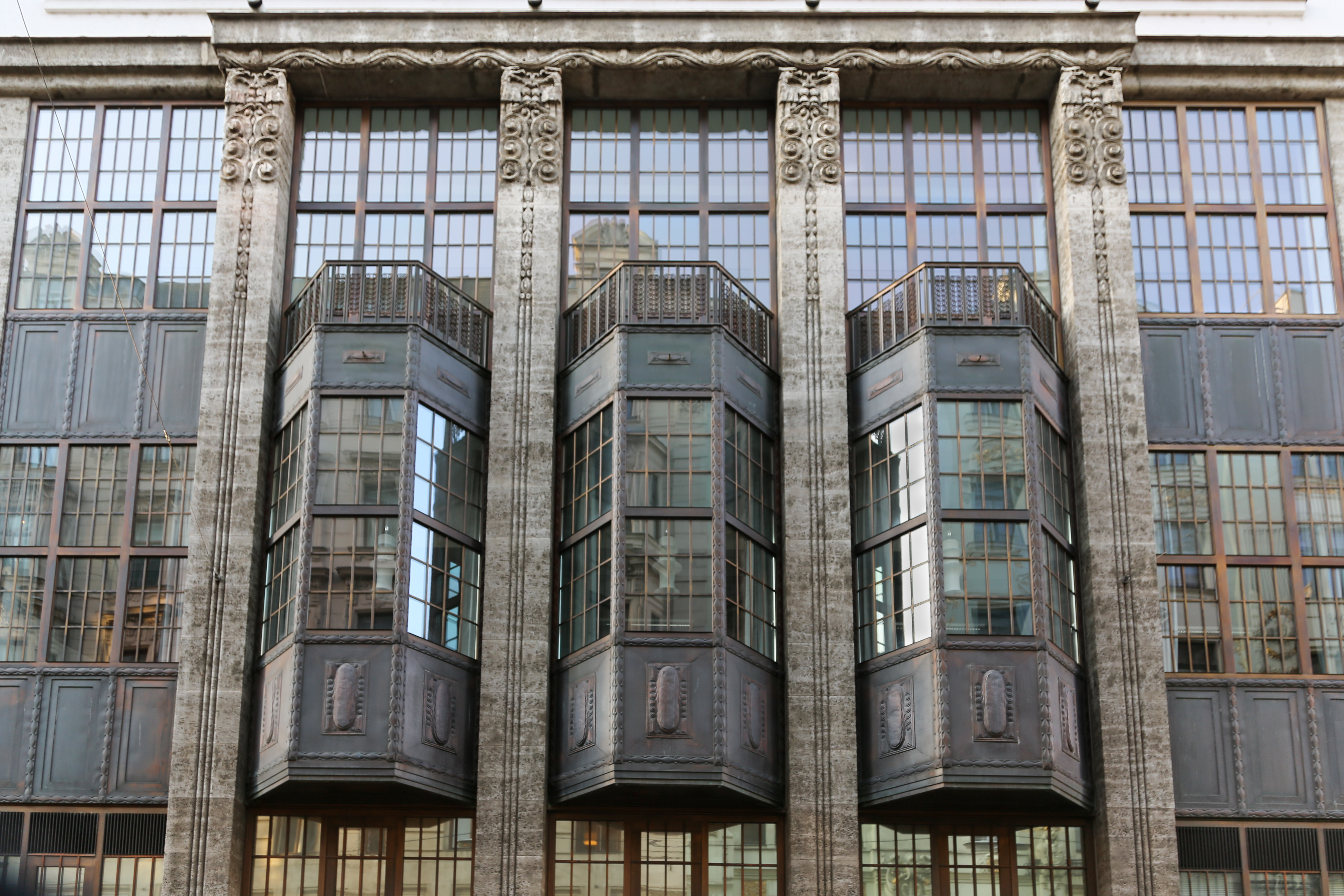
Guest Lecture: Annual Zilk Lecture, ‘Un-designed Identities: Jewish Patrons and Viennese Modernism’
The Hebrew University of Jerusalem
2016, 9 November
Ufaq Inam
‘Bazaar Economy & Traditional Medicine: An Ethnographic investigation in Papad Mandi, Lahore
University of Applied Arts Vienna
2016, 26 October
Leah Armstrong
‘Looking Inwards and Facing Outwards: the Society of Industrial Artists in Britain 1930-1967’
ICDHS Conference, Taipei, Taiwan
2016, 13-14 October
Dr Elana Shapira
‘Design Dialogue: Jewish Contributions to Viennese Modernism’
MAK Design Forum, Stubenring 5, 1010 Vienna
2016, 23-25 September
Alison J. Clarke
Stamps Design Salon, Detroit Design Festival
2016, 9 September
Leah Armstrong
Chair: ‘Time, Objects and the Experience of the Home’
Design History Society Annual Conference Middlesex UK
2016, 23 June
Onkar Kular, Stanley Picker Fellow in Design and Professor in Design Interventions, HDK, Gothenburg University.
Designing Interventions
Department of Design History and Theory
University of Applied Arts
2016, 8 June
Carmen Weisskopf, !Mediengruppe Betnik
Random Darknet Shopping Bots, Mail Art and Surveillance Algorithms
Department of Design History and Theory
University of Applied Arts
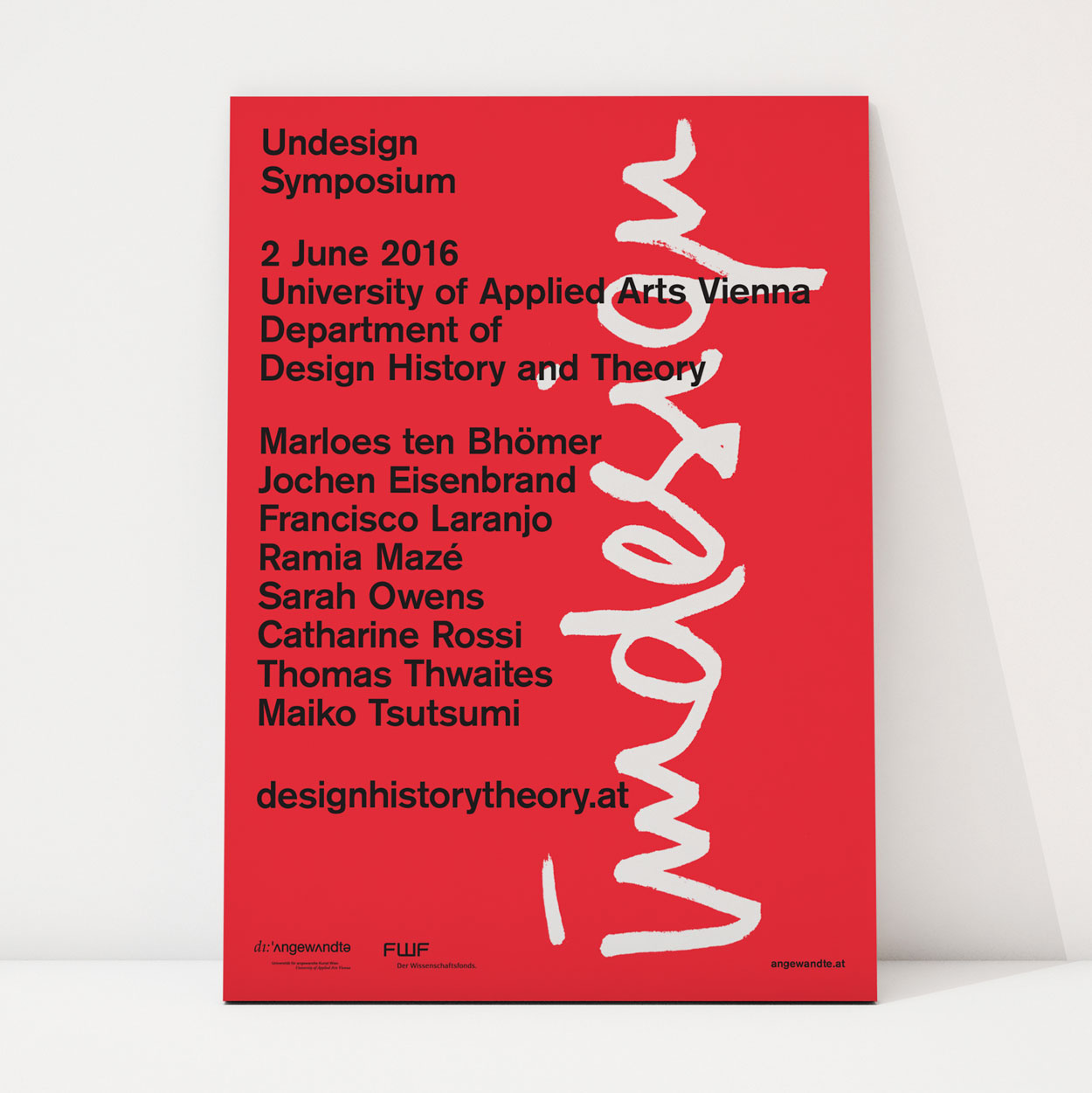
2016, 2 June
Björn Franke and Alison J. Clarke
Undesign
Department of Design History and Theory
University of Applied Arts
Convened as part of the FWF Research Project “Émigré Design Networks and the Founding of Social Design”
Full Programme
2016, 25 May
Edward Saunders
Negotiating Questions of Method in Biography
Department of Design History and Theory
University of Applied Arts
2016, 23 May
Christopher Long
Central European Modernists and the Varieties of Southern California Design
Department of Design History and Theory
University of Applied Arts
2016, 18 May
Alison J. Clarke
Keynote Lecture: ‘Design Anthropology: Reassessing Historiography and Critical Methods in Design Studies’
University of Antwerp
2016, 4 May
Heng Zhi
Understanding Shenzai
Department of Design History and Theory
University of Applied Arts
2016, 20 April
Tido von Oppeln
Design Exhibited: Versuche zu einer Praxis der Theorie im Design
Department of Design History and Theory
University of Applied Arts